Skincare Products for Hyperpigmentation: A Comprehensive Guide
Hyperpigmentation is a common skin condition that affects people of all ages and skin types. It occurs when the skin produces excess melanin, which can result in dark patches or spots on the skin. Fortunately, there are a variety of skincare products available that can help reduce hyperpigmentation and improve the overall appearance of your skin. In this article, we’ll explore the best skincare products for hyperpigmentation and how they work.
What Causes Hyperpigmentation?
Before we dive into the skincare products, let’s take a quick look at what causes hyperpigmentation. There are several factors that can contribute to the development of hyperpigmentation, including:
Sun damage – Exposure to the sun’s UV rays can trigger the production of excess melanin, leading to dark spots and patches on the skin.
Hormonal changes – Hormonal changes during pregnancy, menopause, or as a result of birth control pills can cause hyperpigmentation.
Skin trauma – Inflammation or injury to the skin can cause the production of excess melanin, resulting in dark spots.
Age – As we age, our skin’s natural ability to regenerate slows down, which can lead to the development of age spots.
Now that we know what causes hyperpigmentation, let’s explore the best skincare products to treat it.
Vitamin C Serums
Vitamin C serums are a popular skincare product for reducing hyperpigmentation. Vitamin C is a powerful antioxidant that can help protect the skin from sun damage and reduce the appearance of dark spots. It works by inhibiting the production of melanin and promoting collagen production, which can help improve the overall texture and tone of your skin.
Retinoids
Retinoids are another popular skincare product for reducing hyperpigmentation. Retinoids are a form of vitamin A that can help improve skin texture and reduce the appearance of dark spots. They work by promoting cell turnover, which can help remove dead skin cells and reveal brighter, more even-toned skin.
Chemical Peels
Chemical peels are a more aggressive treatment option for reducing hyperpigmentation. They work by removing the outer layer of skin, which can help reduce the appearance of dark spots. Chemical peels can be done at home or in a dermatologist’s office, depending on the strength of the peel.
Azelaic Acid
Azelaic acid is a skincare product that can help reduce hyperpigmentation and improve overall skin texture. It works by inhibiting the production of melanin and reducing inflammation in the skin. Azelaic acid is available in a variety of strengths, so it’s important to talk to your dermatologist to determine the best option for your skin type.
Niacinamide
Niacinamide is a form of vitamin B3 that can help reduce hyperpigmentation and improve the overall texture and tone of your skin. It works by inhibiting the transfer of pigment within the skin, which can help reduce the appearance of dark spots. Niacinamide is a gentle skincare product that is suitable for all skin types.
Sunscreen
Last but certainly not least, sunscreen is an essential skincare product for reducing hyperpigmentation. Sunscreen helps protect the skin from UV damage, which can trigger the production of excess melanin and lead to dark spots. It’s important to choose a broad-spectrum sunscreen with an SPF of 30 or higher and apply it every day, even when it’s cloudy outside.
Conclusion
Hyperpigmentation can be a frustrating skin condition to deal with, but there are a variety of skincare products available that can help reduce its appearance. Vitamin C serums, retinoids, chemical peels, azelaic acid, ni
acinamide, and sunscreen are all effective products for reducing hyperpigmentation and improving the overall texture and tone of your skin.
It’s important to keep in mind that everyone’s skin is different, and what works for one person may not work for another. It’s always a good idea to consult with a dermatologist to determine the best skincare routine for your individual needs.
In addition to using skincare products, there are some other steps you can take to reduce hyperpigmentation:
Avoid sun exposure – As we mentioned earlier, sun damage is a major contributor to hyperpigmentation. To prevent further damage, it’s important to avoid prolonged sun exposure, especially during peak hours.
Wear protective clothing – If you’re going to be spending time in the sun, wearing protective clothing like hats and long sleeves can help protect your skin from UV damage.
Use gentle skincare products – Harsh skincare products can irritate the skin and cause inflammation, which can lead to hyperpigmentation. It’s important to use gentle, non-irritating products that won’t damage your skin.
Maintain a healthy lifestyle – Eating a balanced diet, getting enough sleep, and reducing stress can all help improve the overall health and appearance of your skin.
In conclusion, hyperpigmentation is a common skin condition that can be frustrating to deal with, but there are a variety of skincare products available that can help reduce its appearance. Vitamin C serums, retinoids, chemical peels, azelaic acid, niacinamide, and sunscreen are all effective options for reducing hyperpigmentation and improving the overall health of your skin. By taking steps to protect your skin from further damage and maintaining a healthy lifestyle, you can help improve the appearance of your skin and feel more confident in your own skin.
Author Archives: Beauty Nectar
Non-toxic skincare for sensitive skin
Non-toxic Skincare for Sensitive Skin: Keeping Your Skin Healthy Without Harmful Chemicals
Sensitive skin is a common condition that affects many people. If you have sensitive skin, you know how challenging it can be to find skincare products that won’t cause irritation, redness, or inflammation. On top of that, the majority of skincare products available today contain toxic chemicals that can harm your skin and overall health in the long run. In this article, we will explore the benefits of non-toxic skincare for sensitive skin and how you can keep your skin healthy without exposing yourself to harmful chemicals.
What is Sensitive Skin?
Sensitive skin is a skin condition that is characterized by easily irritated, itchy, or inflamed skin. People with sensitive skin are more prone to allergic reactions and adverse skin reactions to skincare products, environmental irritants, and temperature changes. Sensitive skin can be caused by genetic factors, environmental factors, or underlying medical conditions such as eczema, rosacea, or psoriasis.
The Importance of Non-Toxic Skincare
The majority of skincare products available today contain toxic chemicals that can harm your skin and overall health. These chemicals include parabens, phthalates, synthetic fragrances, and sulfates, to name a few. These chemicals have been linked to skin irritation, allergic reactions, hormonal imbalances, and even cancer.
Non-toxic skincare products, on the other hand, are made with natural, plant-based ingredients that are free from harmful chemicals. These products are gentle on sensitive skin, and they help to restore the skin’s natural balance, leaving it healthy and glowing.
Non-Toxic Skincare Ingredients for Sensitive Skin
When shopping for non-toxic skincare products for sensitive skin, look for ingredients that are gentle, soothing, and nourishing for the skin. Some of the best non-toxic skincare ingredients for sensitive skin include:
Aloe Vera – Aloe vera is a natural anti-inflammatory that helps to soothe and calm sensitive skin.
Chamomile – Chamomile is another natural anti-inflammatory that can help to reduce redness and irritation in sensitive skin.
Calendula – Calendula is a natural herb that has been used for centuries to soothe and heal irritated skin.
Jojoba Oil – Jojoba oil is a natural moisturizer that helps to hydrate and nourish sensitive skin without clogging pores.
Shea Butter – Shea butter is a natural emollient that helps to soften and smooth sensitive skin.
Coconut Oil – Coconut oil is a natural antibacterial and antifungal that can help to protect sensitive skin from infection.
Non-Toxic Skincare Products for Sensitive Skin
Here are some non-toxic skincare products for sensitive skin that you can use to keep your skin healthy and glowing:
Cleanser – A gentle cleanser is essential for sensitive skin. Look for a cleanser that is free from sulfates and synthetic fragrances.
Toner – A toner helps to balance the skin’s pH level and prepare it for moisturizing. Look for a toner that is alcohol-free and made with natural ingredients.
Moisturizer – A moisturizer is essential for keeping sensitive skin hydrated and nourished. Look for a moisturizer that is free from synthetic fragrances and harsh chemicals.
Sunscreen – Sunscreen is essential for protecting sensitive skin from UV rays. Look for a sunscreen that is free from oxybenzone and other harmful chemicals.
Face mask – A face mask can help to soothe and nourish sensitive skin. Look for a face mask that is made with natural ingredients such as aloe vera, chamomile, or calendula.
Non-Toxic Skincare Tips for Sensitive Skin
In addition to using non-toxic skincare products, here are some tips that can help you take care of your sensitive skin:
Patch Test – Always patch test new skincare products before applying them to your face. This will help you determine whether the product will cause any adverse reactions on your skin.
Avoid Harsh Ingredients – Avoid skincare products that contain harsh ingredients such as alcohol, synthetic fragrances, and sulfates.
Use Lukewarm Water – Use lukewarm water instead of hot water to wash your face. Hot water can strip the skin of its natural oils, leaving it dry and irritated.
Gentle Cleansing – Use a gentle cleanser and avoid scrubbing your face too hard. Over-exfoliating can damage your skin and cause irritation.
Moisturize Regularly – Moisturize your skin regularly to keep it hydrated and nourished. Use a moisturizer that is suited for your skin type.
Sun Protection – Protect your skin from the sun’s harmful UV rays by wearing a hat, using a sunscreen, and avoiding direct sunlight during peak hours.
Hydrate – Drink plenty of water to keep your skin hydrated from the inside out.
Conclusion
Non-toxic skincare products are a great option for people with sensitive skin. They are gentle, soothing, and nourishing for the skin, without containing harmful chemicals that can cause adverse reactions or long-term health problems. By choosing non-toxic skincare products and following the tips mentioned in this article, you can keep your skin healthy and glowing while avoiding harmful chemicals
Cruelty-free skincare for sensitive skin
Cruelty-Free Skincare for Sensitive Skin: A Comprehensive Guide
If you have sensitive skin, finding the right skincare products can be a daunting task. Many products contain harsh chemicals that can aggravate your skin and cause irritation, redness, and even breakouts. To make matters worse, it can be difficult to find skincare products that are both effective and cruelty-free. In this article, we’ll provide you with a comprehensive guide to cruelty-free skincare for sensitive skin, including what to look for in your skincare products, some of the best cruelty-free brands, and tips for taking care of your sensitive skin.
What is Sensitive Skin?
Sensitive skin is a common condition that affects millions of people worldwide. It is characterized by skin that is easily irritated and prone to redness, itching, and other forms of discomfort. Sensitive skin can be caused by a variety of factors, including genetics, environmental factors, and certain skincare products.
What to Look for in Cruelty-Free Skincare Products
When shopping for skincare products, it’s important to look for products that are specifically formulated for sensitive skin. These products should be free of harsh chemicals and fragrances that can irritate your skin. Here are some of the key ingredients to look for in cruelty-free skincare products for sensitive skin:
Aloe Vera: Aloe vera is a natural ingredient that has been used for centuries to soothe and heal the skin. It is particularly effective at reducing redness and inflammation, making it a great choice for sensitive skin.
Chamomile: Chamomile is another natural ingredient that is known for its soothing properties. It can help to reduce redness and inflammation, and is often used in products designed for sensitive skin.
Calendula: Calendula is a natural anti-inflammatory ingredient that can help to soothe and heal sensitive skin. It is often used in products designed for eczema and other skin conditions.
Jojoba Oil: Jojoba oil is a natural oil that is similar in composition to the oils produced by our skin. It is non-comedogenic, meaning it won’t clog pores, and is often used in products designed for sensitive skin.
Shea Butter: Shea butter is a natural ingredient that is rich in vitamins and fatty acids. It is particularly effective at moisturizing and nourishing the skin, making it a great choice for sensitive skin.
Cruelty-Free Skincare Brands for Sensitive Skin
Fortunately, there are many cruelty-free skincare brands that cater to sensitive skin. Here are some of the best brands to consider:
The Body Shop: The Body Shop is a well-known brand that is committed to using natural ingredients and avoiding animal testing. They offer a range of skincare products that are specifically designed for sensitive skin, including their Aloe Vera and Vitamin E lines.
Pacifica: Pacifica is a vegan and cruelty-free brand that offers a range of skincare products, including cleansers, toners, and moisturizers. Their products are formulated with natural ingredients and are free of harsh chemicals.
Yes To: Yes To is a brand that offers a range of skincare products that are free of parabens, phthalates, and other harsh chemicals. Their products are also cruelty-free and vegan.
Alba Botanica: Alba Botanica is a brand that is committed to using natural ingredients in their skincare products. Their products are free of synthetic fragrances, artificial colors, and harsh chemicals, and are also cruelty-free.
Derma E: Derma E is a vegan and cruelty-free brand that offers a range of skincare products for sensitive skin. Their products are formulated with natural ingredients and are free of parabens, sulfates, and other harsh chemicals.
Tips for Taking Care of Sensitive Skin
In addition to using the right skincare products, there are some other steps you can take to take care of your sensitive skin. Here are some tips:
Avoid Harsh Chemicals: Harsh chemicals can irritate your sensitive skin, so it’s important to avoid products that contain ingredients like sulfates, parabens, and synthetic fragrances.
Test Products Before Use: Before using a new skincare product, it’s a good idea to do a patch test to see how your skin reacts. Apply a small amount of the product to the inside of your wrist or elbow and wait 24 hours to see if any redness or irritation occurs.
Use Sun Protection: Sun exposure can cause irritation and redness in sensitive skin, so it’s important to use sunscreen or wear protective clothing when you’re outdoors.
Avoid Hot Water: Hot water can strip your skin of its natural oils and cause dryness and irritation. Use lukewarm water instead when washing your face or taking a shower.
Moisturize Regularly: Moisturizing is important for all skin types, but it’s especially important for sensitive skin. Look for a gentle, fragrance-free moisturizer that will hydrate your skin without causing irritation.
Conclusion
If you have sensitive skin, finding the right skincare products can be a challenge. However, there are many cruelty-free brands that offer products specifically designed for sensitive skin. Look for products that contain natural, soothing ingredients like aloe vera, chamomile, and calendula, and avoid harsh chemicals that can irritate your skin. With the right skincare routine and some extra care, you can keep your sensitive skin looking and feeling healthy and beautiful.
Effective skincare routine for sensitive skin
Effective Skincare Routine for Sensitive Skin
Taking care of your skin is crucial, regardless of your skin type. However, people with sensitive skin need to take extra care as their skin can easily get irritated or develop allergies. If you have sensitive skin, you need to be mindful of the skincare products you use and the ingredients they contain. In this article, we will discuss an effective skincare routine for sensitive skin.
Step 1: Cleansing
Cleansing is an essential step in any skincare routine, and it becomes even more important when you have sensitive skin. The goal of cleansing is to remove dirt, oil, and makeup from your skin without stripping away the natural oils. You should avoid using harsh soaps or scrubs that can irritate your skin. Instead, look for a gentle, fragrance-free cleanser that is specifically designed for sensitive skin.
When choosing a cleanser, look for ingredients like glycerin, aloe vera, or chamomile, which are known for their soothing and moisturizing properties. It’s also a good idea to avoid hot water as it can further irritate your skin. Instead, use lukewarm water to wash your face.
Step 2: Toning
Toning is an optional step, but it can be beneficial for people with sensitive skin. Toners help to balance the pH level of your skin and prepare it for the next steps in your skincare routine. They can also help to remove any leftover dirt or makeup that your cleanser may have missed.
When choosing a toner, look for one that is alcohol-free and contains soothing ingredients like chamomile or green tea. Avoid toners that contain harsh ingredients like salicylic acid or benzoyl peroxide, which can be too harsh for sensitive skin.
Step 3: Moisturizing
Moisturizing is crucial for people with sensitive skin as it helps to keep the skin hydrated and prevent dryness, which can lead to irritation. Look for a fragrance-free moisturizer that is specifically designed for sensitive skin. It should contain ingredients like hyaluronic acid, glycerin, or ceramides, which help to lock in moisture and soothe the skin.
When applying your moisturizer, be gentle and avoid rubbing the skin. Instead, pat it into the skin until it’s fully absorbed. It’s also important to apply your moisturizer while your skin is still damp to help lock in the moisture.
Step 4: Sun Protection
Sun protection is crucial for everyone, but it’s especially important for people with sensitive skin. Exposure to the sun can cause irritation and inflammation, which can further exacerbate sensitive skin. Look for a sunscreen that is specifically designed for sensitive skin and contains physical blockers like zinc oxide or titanium dioxide.
When applying sunscreen, make sure to apply it generously and reapply every two hours if you’re spending time outdoors. It’s also a good idea to wear a hat or seek shade whenever possible to further protect your skin.
Additional Tips
In addition to the steps above, there are a few other things you can do to take care of your sensitive skin:
Patch Test: Before trying any new skincare products, do a patch test to see if your skin reacts negatively. Apply a small amount of the product to your inner arm and wait for 24-48 hours to see if any irritation occurs.
Avoid Fragrance: Fragrance can be a common irritant for sensitive skin, so it’s best to avoid it whenever possible. Look for fragrance-free products or those that contain natural fragrances like essential oils.
Limit Exfoliation: While exfoliating can be beneficial for most skin types, it can be too harsh for sensitive skin. Limit your exfoliation to once or twice a week and use a gentle, non-abrasive exfoliator.
Keep it Simple: When it comes to skincare products, less is often more, especially for people with sensitive skin. Stick to a simple routine with gentle, fragrance-free products that won’t irritate your skin.
Watch What You Eat: What you eat can have a significant impact on your skin’s health. Avoid foods that are known to trigger allergies or cause inflammation, such as dairy, processed foods, and sugar.
Manage Stress: Stress can also have an impact on your skin’s health, so it’s essential to manage stress levels. Practice stress-reducing techniques like meditation, yoga, or deep breathing exercises.
Conclusion
Taking care of sensitive skin requires a bit of extra effort and attention, but it’s worth it in the end. By following a gentle skincare routine that includes cleansing, toning, moisturizing, and sun protection, you can keep your skin healthy and free from irritation. Remember to keep it simple, avoid harsh ingredients, and be mindful of what you eat and how you manage stress. With these tips, you can have healthy, glowing skin, no matter how sensitive it may be.

Natural skincare products for acne-prone skin
Natural Skincare Products for Acne-Prone Skin: A Complete Guide
Acne is a common skin condition that affects people of all ages, genders, and skin types. It can be caused by many factors, including genetics, hormones, stress, diet, and lifestyle choices. While there are many conventional skincare products available on the market that claim to treat acne, they often contain harsh chemicals that can irritate and dry out the skin. For those looking for a more natural approach to treating acne-prone skin, there are a variety of natural skincare products available that can be just as effective. In this guide, we’ll explore the benefits of natural skincare products for acne-prone skin and provide some tips on how to choose the right products for your skin type.
Benefits of Natural Skincare Products for Acne-Prone Skin
There are many benefits to using natural skincare products for acne-prone skin. Firstly, natural skincare products are generally gentler on the skin than conventional products. They are less likely to contain harsh chemicals and synthetic ingredients that can irritate and dry out the skin, making them a good choice for those with sensitive or acne-prone skin.
Secondly, natural skincare products are often more sustainable and environmentally friendly than conventional products. Many natural skincare brands use organic and ethically sourced ingredients and are committed to reducing their carbon footprint. By choosing natural skincare products, you can help to support a more sustainable and environmentally conscious beauty industry.
Finally, natural skincare products can be just as effective as conventional products in treating acne-prone skin. Many natural ingredients have been shown to have anti-inflammatory and antibacterial properties that can help to reduce acne and prevent future breakouts. Some natural ingredients that are commonly found in natural skincare products for acne-prone skin include:
Tea tree oil: Tea tree oil is a natural antiseptic that can help to kill bacteria on the skin and reduce inflammation. It is a common ingredient in natural skincare products for acne-prone skin.
Salicylic acid: Salicylic acid is a natural exfoliant that can help to unclog pores and prevent acne. It is often found in natural skincare products for oily or acne-prone skin.
Witch hazel: Witch hazel is a natural astringent that can help to reduce inflammation and redness on the skin. It is a common ingredient in natural skincare products for acne-prone skin.
Tips for Choosing Natural Skincare Products for Acne-Prone Skin
When choosing natural skincare products for acne-prone skin, there are a few things to keep in mind to ensure that you are selecting the right products for your skin type. Here are some tips to help you make the best choices:
Look for products that are labeled “non-comedogenic.” This means that they are specifically formulated to not clog pores, which can help to prevent breakouts.
Avoid products that contain ingredients that are known to be comedogenic, such as coconut oil or cocoa butter. These ingredients can clog pores and exacerbate acne.
Choose products that contain natural ingredients that have been shown to be effective in treating acne-prone skin, such as tea tree oil, salicylic acid, or witch hazel.
Consider using a natural face wash or cleanser that is gentle and non-drying. Harsh cleansers can strip the skin of its natural oils, which can lead to increased oil production and acne.
Don’t forget to moisturize! Even if you have oily or acne-prone skin, it is important to use a moisturizer that is light and non-greasy to keep your skin hydrated and healthy.
Some Recommended Natural Skincare Products for Acne-Prone Skin
There are many natural skincare products available on the market that are specifically formulated to treat
acne-prone skin. Here are some of our top recommendations:
The Body Shop Tea Tree Oil: This concentrated oil contains 100% natural tea tree oil and can be used to spot-treat blemishes. Tea tree oil is known for its antibacterial and anti-inflammatory properties, making it a great natural ingredient for treating acne.
Burt’s Bees Natural Acne Solutions Purifying Gel Cleanser: This cleanser contains salicylic acid, a natural exfoliant that can help to unclog pores and prevent acne. It also contains willow bark extract, which has been shown to have anti-inflammatory properties.
Alba Botanica Acnedote Maximum Strength Deep Pore Wash: This natural face wash contains salicylic acid and willow bark extract to help unclog pores and prevent breakouts. It also contains aloe vera and chamomile to soothe and calm the skin.
Thayers Witch Hazel Toner: This alcohol-free toner contains witch hazel, a natural astringent that can help to reduce inflammation and redness on the skin. It also contains aloe vera and vitamin E to moisturize and nourish the skin.
SheaMoisture African Black Soap Facial Moisturizer: This lightweight moisturizer contains shea butter, which is rich in vitamins and antioxidants that can help to nourish and protect the skin. It also contains African black soap, which is known for its detoxifying and clarifying properties.
In conclusion, natural skincare products can be a great choice for those with acne-prone skin. They are gentle, sustainable, and effective, making them a good alternative to conventional skincare products that may contain harsh chemicals. When choosing natural skincare products for acne-prone skin, it is important to look for products that are labeled non-comedogenic, avoid ingredients that are known to be comedogenic, and choose products that contain natural ingredients that have been shown to be effective in treating acne-prone skin. By following these tips and using the recommended natural skincare products, you can achieve healthy, clear skin without compromising on your values or the environment.
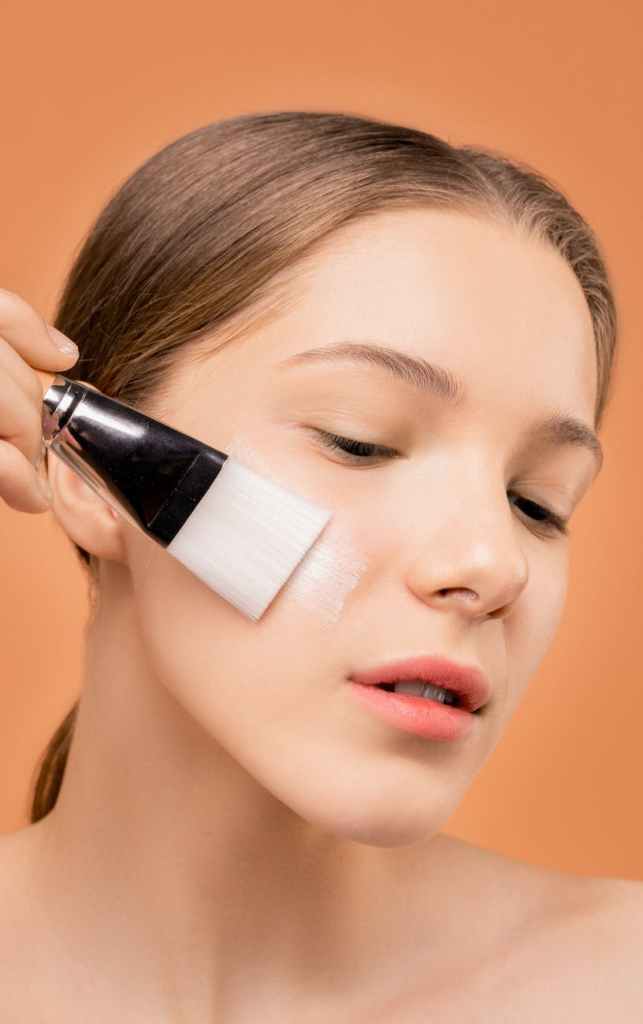
Best anti-aging skincare for mature skin
As we age, our skin goes through a lot of changes. Fine lines, wrinkles, age spots, and other signs of aging can start to appear, making us feel less confident in our skin. Fortunately, there are many anti-aging skincare products available that can help us maintain a youthful, radiant complexion.
If you’re looking for the best anti-aging skincare for mature skin, you’ve come to the right place. In this article, we’ll share some of the top anti-aging products and ingredients that can help you achieve younger-looking skin.
First, let’s talk about why our skin ages in the first place. One of the main causes of aging skin is a decrease in collagen and elastin production. Collagen and elastin are proteins that keep our skin firm, elastic, and hydrated. As we age, our bodies produce less of these proteins, leading to wrinkles and sagging skin.
Another factor that contributes to aging skin is exposure to UV rays. The sun’s UV rays can cause damage to our skin cells, leading to fine lines, wrinkles, age spots, and other signs of aging. That’s why it’s important to wear sunscreen and protect your skin from the sun’s harmful rays.
Now, let’s take a look at some of the best anti-aging skincare products and ingredients that can help you achieve younger-looking skin:
Retinol: Retinol is a form of vitamin A that has been shown to reduce the appearance of fine lines, wrinkles, and age spots. It works by stimulating collagen production and increasing skin cell turnover. Look for a retinol cream or serum that contains at least 0.5% retinol for best results.
Hyaluronic acid: Hyaluronic acid is a naturally occurring substance in our bodies that helps keep our skin hydrated and plump. As we age, our bodies produce less hyaluronic acid, leading to dry, dehydrated skin. Look for a moisturizer or serum that contains hyaluronic acid to help boost hydration levels in your skin.
Vitamin C: Vitamin C is a powerful antioxidant that can help protect your skin from free radical damage. It also helps stimulate collagen production and brighten the skin. Look for a serum or moisturizer that contains at least 10% vitamin C for best results.
Peptides: Peptides are amino acid chains that help stimulate collagen production and improve skin elasticity. Look for a serum or moisturizer that contains peptides to help firm and smooth your skin.
Niacinamide: Niacinamide, also known as vitamin B3, is a powerful ingredient that can help improve skin texture and reduce the appearance of fine lines and wrinkles. It also helps strengthen the skin barrier, which can help protect your skin from environmental stressors. top anti-aging skincare ingredients, let’s take a look at some of the best anti-aging skincare products for mature skin:
Olay Regenerist Retinol 24 Night Moisturizer: This night moisturizer contains a potent combination of retinol and niacinamide to help reduce the appearance of fine lines and wrinkles. It also contains hyaluronic acid to help hydrate and plump the skin.
SkinCeuticals C E Ferulic Serum: This serum contains 15% vitamin C and 1% vitamin E to help protect your skin from free radical damage. It also contains ferulic acid, which helps enhance the effectiveness of the vitamin C and E.
Drunk Elephant A-Passioni Retinol Cream: This retinol cream contains 1% retinol, as well as peptides and vitamin F to help improve skin texture and firmness. It also contains a nourishing blend of oils and butters to help hydrate and soothe the skin.
The Ordinary Buffet + Copper Peptides 1%: This serum contains a blend of peptides, including copper peptides, to help improve skin texture and firmness. It also contains hyaluronic acid to help hydrate the skin.
La Roche-Posay Redermic R Anti-Aging Retinol Serum: This retinol serum contains 0.3% retinol, as well as antioxidants to help protect the skin from environmental stressors. It also contains a blend of hydrating ingredients, including glycerin and hyaluronic acid.
In addition to using anti-aging skincare products, there are a few other things you can do to help keep your skin looking youthful and radiant:
Wear sunscreen: As we mentioned earlier, exposure to UV rays can cause damage to your skin cells and accelerate the aging process. Make sure to wear sunscreen every day, even on cloudy days.
Stay hydrated: Drinking plenty of water can help keep your skin hydrated and plump.
Get enough sleep: Getting enough sleep is important for maintaining healthy, youthful-looking skin. Aim for 7-8 hours of sleep each night.
Eat a healthy diet: Eating a diet rich in fruits, vegetables, and lean protein can help provide your skin with the nutrients it needs to stay healthy and radiant.
In conclusion, there are many effective anti-aging skincare products and ingredients available that can help you achieve younger-looking skin. Look for products that contain retinol, hyaluronic acid, vitamin C, peptides, and niacinamide for best results. And don’t forget to take care of your skin by wearing sunscreen, staying hydrated, getting enough sleep, and eating a healthy diet.
By following these tips and using the right products, you can help maintain healthy, youthful-looking skin for years to come. However, it’s important to remember that everyone’s skin is unique, and what works for one person may not work for another. It’s always a good idea to consult with a dermatologist or skincare professional if you have any concerns about your skin or if you’re not sure which products to use.
When it comes to choosing the best anti-aging skincare products, it’s important to do your research and look for products that contain high-quality, effective ingredients. And remember, consistency is key – using these products consistently over time is the best way to see real results.
So if you’re looking to keep your skin looking youthful and radiant, start by incorporating some of these anti-aging skincare tips and products into your routine. Your skin will thank you!
Finally, it’s important to note that while anti-aging skincare products can help improve the appearance of fine lines, wrinkles, and other signs of aging, they cannot stop the aging process altogether. Aging is a natural part of life, and there is beauty in every stage of life. It’s important to embrace and celebrate the changes that come with aging, rather than trying to fight against them.
In conclusion, taking care of your skin is an important part of maintaining overall health and wellness. By using high-quality, effective anti-aging skincare products and following a healthy lifestyle, you can help keep your skin looking youthful and radiant for years to come. But remember, aging is a natural part of life, and it’s important to embrace and celebrate every stage of life, regardless of age or appearance.
And always remember, true beauty comes from within. Confidence, self-love, and a positive attitude are just as important as using the right skincare products. Take care of your mind, body, and spirit, and your natural beauty will shine through.
Thank you for reading this guide to anti-aging skincare for mature skin. We hope you found it informative and helpful in your journey towards healthy, radiant skin. If you have any questions or comments, please feel free to reach out. Here’s to happy, healthy, and beautiful skin!
How to Create a Simple Skincare Routine for Busy Moms
As a busy mom, taking care of your skin can be challenging. Between juggling work, family, and other responsibilities, finding the time to maintain a proper skincare routine may seem impossible. However, neglecting your skin can lead to a variety of issues such as acne, premature aging, and other skin problems. Therefore, it’s important to prioritise skincare and find ways to make it easier and more manageable.
In this blog post, we’ll provide you with valuable tips and advice on how to create a simple skincare routine that fits your busy lifestyle.
Step 1: Identify Your Skin Type
The first step in creating a skincare routine is to identify your skin type. This will help you choose the right products and treatments that are suitable for your skin. There are four main skin types: oily, dry, combination, and sensitive. You can determine your skin type by examining your skin’s texture, oiliness, and sensitivity.
Oily Skin: If your skin is oily, it may feel greasy or shiny, especially around the T-zone (forehead, nose, and chin).
Dry Skin: If your skin is dry, it may feel tight, flaky, or itchy, especially after cleansing or exposure to the environment.
Combination Skin: If your skin is a combination of oily and dry, it may have oiliness around the T-zone and dryness on other areas of the face.
Sensitive Skin: If your skin is sensitive, it may be easily irritated, red, or itchy, especially when using certain products.
Once you’ve identified your skin type, you can choose products and treatments that are suitable for your skin.
Step 2: Cleanse
The next step in a skincare routine is to cleanse your face. Cleansing removes dirt, oil, and impurities from your skin, and prepares it for the next steps in your routine. Choose a gentle cleanser that is suitable for your skin type, and avoid using hot water, which can strip your skin of natural oils.
For Oily Skin: Use a foaming cleanser that is designed to remove excess oil and unclog pores.
For Dry Skin: Use a hydrating cleanser that is gentle and won’t strip your skin of moisture.
For Combination Skin: Use a gentle cleanser that balances the skin’s natural oils and won’t dry it out.
For Sensitive Skin: Use a fragrance-free cleanser that is gentle and won’t irritate your skin.
Step 3: Exfoliate
Exfoliating is an important step in a skincare routine, as it removes dead skin cells and helps to prevent acne and other skin problems. However, it’s important to choose the right exfoliator for your skin type, and not to overdo it, as this can damage your skin.
For Oily Skin: Use a salicylic acid exfoliator that is designed to unclog pores and reduce oiliness.
For Dry Skin: Use a gentle exfoliator that won’t irritate or dry out your skin.
For Combination Skin: Use a mild exfoliator that balances the skin’s natural oils and won’t cause dryness or oiliness.
For Sensitive Skin: Use a gentle exfoliator that is fragrance-free and won’t irritate your skin.
Step 4: Moisturize
Moisturizing is a crucial step in a skincare routine, as it helps to hydrate and protect your skin. Choose a moisturizer that is suitable for your skin type, and apply it after cleansing and exfoliating.
For Oily Skin Use a lightweight, oil-free moisturizer that won’t clog pores or make your skin feel greasy.
For Dry Skin: Use a rich, hydrating moisturizer that provides long-lasting moisture and prevents flakiness.
For Combination Skin: Use a moisturizer that balances the skin’s natural oils and provides hydration without causing dryness or oiliness.
For Sensitive Skin: Use a fragrance-free moisturizer that is gentle and won’t irritate your skin.
Step 5: Protect
Protecting your skin from the sun is an essential step in a skincare routine, as exposure to UV rays can cause premature aging, sunburn, and skin cancer. Apply a broad-spectrum sunscreen with an SPF of at least 30 before going outside, and reapply every two hours or after sweating or swimming.
For Oily Skin: Use a lightweight, oil-free sunscreen that won’t make your skin feel greasy or clog pores.
For Dry Skin: Use a hydrating sunscreen that provides long-lasting moisture and won’t cause flakiness.
For Combination Skin: Use a sunscreen that balances the skin’s natural oils and provides hydration without causing dryness or oiliness.
For Sensitive Skin: Use a fragrance-free sunscreen that is gentle and won’t irritate your skin.
Tips for Creating a Simple Skincare Routine for Busy Moms
Now that you know the five essential steps of a skincare routine, here are some tips for creating a routine that is simple, manageable, and effective:
Choose multi-tasking products: Look for products that serve multiple purposes, such as a cleanser that also exfoliates, or a moisturizer with SPF.
Simplify your routine: Stick to the basics and don’t overwhelm yourself with too many products or steps.
Use products that are easy to apply: Choose products that are quick and easy to apply, such as a spray-on sunscreen or a moisturizer in a pump bottle.
Be consistent: Consistency is key when it comes to skincare. Try to follow your routine every day, even if you’re short on time.
Take advantage of downtime: Use your downtime, such as when you’re waiting for your coffee to brew, to apply skincare products.
In conclusion, creating a simple skincare routine for busy moms is all about choosing the right products for your skin type, following the essential steps of cleansing, exfoliating, moisturizing, and protecting, and sticking to a consistent routine. By following these tips and prioritizing skincare, you can achieve healthy, glowing skin even when you’re short on time.
The Top 15 Essential Oils for Skincare and Beauty”
The Top 15 Essential Oils for Skincare and Beauty”
Essential oils have been used for centuries for their therapeutic and beauty benefits. These highly concentrated plant extracts can be used in a variety of ways to improve the health and appearance of your skin, hair, and nails. In this article, we’ll share with you the top 15 essential oils for skincare and beauty, including their benefits and how to use them safely.
One Simple Way To Maintain A Flawless Skin
Lavender Oil: Lavender oil is known for its calming and soothing properties, making it ideal for sensitive or irritated skin. It can also help to reduce redness and inflammation.
Tea Tree Oil: Tea tree oil is a powerful antiseptic that can help to fight acne, dandruff, and other skin and scalp conditions. It can also help to soothe and heal cuts and wounds.
Frankincense Oil: Frankincense oil is rich in antioxidants and can help to reduce the signs of aging, such as fine lines and wrinkles. It can also help to firm and tighten the skin.
Peppermint Oil: Peppermint oil has a cooling and refreshing effect on the skin and can help to reduce inflammation and itching. It can also help to stimulate hair growth.
Rose Oil: Rose oil is a luxurious and hydrating oil that can help to improve the texture and tone of the skin. It can also help to reduce the appearance of scars and stretch marks.
Chamomile Oil: Chamomile oil is a gentle and soothing oil that can help to calm and soothe irritated or inflamed skin. It can also help to reduce redness and puffiness.
Ylang Ylang Oil: Ylang ylang oil is a fragrant oil that can help to balance oil production in the skin, making it ideal for oily or acne-prone skin. It can also help to promote relaxation and reduce stress.
Geranium Oil: Geranium oil is a balancing and hydrating oil that can help to improve the texture and tone of the skin. It can also help to reduce inflammation and promote healing.
Sandalwood Oil: Sandalwood oil is a grounding and calming oil that can help to reduce stress and promote relaxation. It can also help to improve the texture and appearance of the skin.
Lemon Oil: Lemon oil is a refreshing and cleansing oil that can help to brighten and clarify the skin. It can also help to reduce the appearance of blemishes and dark spots.
Clary Sage Oil: Clary sage oil is a balancing and soothing oil that can help to regulate oil production in the skin. It can also help to reduce inflammation and promote healing.
Juniper Berry Oil: Juniper berry oil is a detoxifying and purifying oil that can help to cleanse and tone the skin. It can also help to reduce the appearance of cellulite.
Bergamot Oil: Bergamot oil is a bright and uplifting oil that can help to improve the mood and reduce stress. It can also help to balance the skin and reduce inflammation.
Patchouli Oil: Patchouli oil is a grounding and earthy oil that can help to soothe and calm the skin. It can also help to reduce inflammation and promote healing.
Neroli Oil: Neroli oil is a luxurious and hydrating oil that can help to improve the texture and appearance of the skin. It can also help to reduce the appearance of scars and stretch marks.
Conclusion: Essential oils can be a valuable addition to your skincare and beauty routine, providing natural and effective solutions for a variety of skin and hair concerns. By incorporating these top 15 essential oils into your daily routine, you can enjoy their many benefits and achieve healthy, glowing
5 DIY Hair Masks for Dry and Damaged Hair
Here are 5 DIY Hair Masks for Dry and Damaged Hair below!
Dry and damaged hair can be a frustrating and common hair problem, but luckily, there are many ways to improve the condition of your hair. One of the best ways to nourish and revitalize dry and damaged hair is by using DIY hair masks. In this article, we’ll provide you with five easy and effective DIY hair mask recipes that you can make at home. These masks are made with natural and affordable ingredients that are easy to find, and they can help to hydrate, repair, and strengthen your hair.
Banana and Coconut Oil Hair Mask: Bananas are rich in vitamins and minerals that are essential for healthy hair, while coconut oil can penetrate the hair shaft and provide deep moisture. This mask is perfect for dry, brittle hair.
Avocado and Olive Oil Hair Mask: Avocado is packed with healthy fats and vitamins that can help to nourish and moisturize hair, while olive oil can help to smooth and detangle hair. This mask is great for frizzy or damaged hair.
Honey and Yogurt Hair Mask: Honey is a natural humectant that can help to lock in moisture, while yogurt is rich in proteins and probiotics that can strengthen and smooth hair. This mask is perfect for hair that’s dry and dull.
Egg and Mayonnaise Hair Mask: Eggs are rich in proteins and vitamins that can help to strengthen and repair hair, while mayonnaise can provide deep hydration and shine. This mask is ideal for hair that’s damaged from heat styling or coloring.
Aloe Vera and Coconut Milk Hair Mask: Aloe vera can help to soothe and hydrate the scalp, while coconut milk is rich in proteins and healthy fats that can nourish and repair hair. This mask is great for hair that’s dry and prone to breakage.
Conclusion: DIY hair masks are a natural and affordable way to improve the condition of dry and damaged hair. By using these five easy and effective hair mask recipes, you can give your hair the nourishment and hydration it needs to look and feel its best. Plus, making your own hair masks at home is fun and easy, and you can customize the ingredients to suit your hair type and specific hair concerns. Give these DIY hair masks a try and see the difference they can make for your hair!
10 Natural Skincare Remedies for Acne-Prone Skin!
Dealing with acne-prone skin can be frustrating, but there are natural remedies that can help to alleviate symptoms without causing any harm to your skin. In this article, we provide 10 natural skincare remedies that you can try to improve the overall health and appearance of your skin. From tea tree oil to honey and aloe vera, these remedies are backed by science and can help to reduce inflammation, unclog pores, and fight acne-causing bacteria. Discover how to take a holistic approach to skincare and improve the condition of your acne-prone skin today.
Here are 10 Natural Skincare Remedies for Acne-Prone Skin
Acne is a common skin condition that affects millions of people around the world. While there are many skincare products available in the market that claim to treat acne, most of them are expensive and contain harsh chemicals that can damage the skin in the long run. Fortunately, there are many natural remedies that can help to treat acne-prone skin without causing any side effects. In this article, we’ll be discussing 10 natural skincare remedies that you can use to treat acne-prone skin.
Tea Tree Oil
Tea tree oil is a powerful natural remedy for acne. It contains antimicrobial and anti-inflammatory properties that can help to kill bacteria and reduce inflammation. Simply dilute tea tree oil with a carrier oil like coconut oil and apply it to the affected areas.
Aloe Vera
Aloe vera is a natural moisturizer that can soothe and hydrate the skin. It also contains anti-inflammatory properties that can help to reduce redness and swelling caused by acne. Simply apply aloe vera gel to the affected areas and leave it on for 10-15 minutes before washing it off.
Apple Cider Vinegar
Apple cider vinegar contains acetic acid that can help to kill bacteria and balance the pH levels of the skin. Simply dilute apple cider vinegar with water and apply it to the affected areas using a cotton ball.
Honey
Honey is a natural antibacterial agent that can help to kill bacteria and reduce inflammation. It also contains antioxidants that can help to protect the skin from damage. Simply apply raw honey to the affected areas and leave it on for 10-15 minutes before washing it off.
Witch Hazel
Witch hazel is a natural astringent that can help to remove excess oil and dirt from the skin. It also contains anti-inflammatory properties that can help to reduce redness and swelling caused by acne. Simply apply witch hazel to the affected areas using a cotton ball.
Turmeric
Turmeric is a natural anti-inflammatory agent that can help to reduce inflammation and redness caused by acne. Simply mix turmeric powder with water or honey and apply it to the affected areas. Leave it on for 10-15 minutes before washing it off.
Green Tea
Green tea contains antioxidants that can help to protect the skin from damage. It also contains anti-inflammatory properties that can help to reduce redness and swelling caused by acne. Simply brew green tea and apply it to the affected areas using a cotton ball.
Lemon Juice
Lemon juice contains citric acid that can help to exfoliate the skin and reduce the appearance of acne scars. It also contains antibacterial properties that can help to kill bacteria. Simply apply fresh lemon juice to the affected areas using a cotton ball.
Cucumber
Cucumber contains anti-inflammatory properties that can help to reduce redness and swelling caused by acne. It also contains antioxidants that can help to protect the skin from damage. Simply cut a cucumber into slices and place them on the affected areas for 10-15 minutes.
Oatmeal
Oatmeal contains anti-inflammatory properties that can help to reduce redness and swelling caused by acne. It also contains antioxidants that can help to protect the skin from damage. Simply mix oatmeal with water and apply it to the affected areas. Leave it on for 10-15 minutes before washing it off.
In conclusion, acne-prone skin can be a frustrating and challenging condition to deal with, but natural remedies can help to alleviate symptoms without causing any harm to the skin. These 10 natural skincare remedies are a great place to start, but it’s important to note that not every remedy will work for every person. It may take some trial and error to find the right combination of remedies that work best for your skin.
In addition to using natural remedies, it’s also important to maintain a healthy diet, exercise regularly, and avoid touching your face or picking at pimples. By taking a holistic approach to skincare, you can help to prevent future breakouts and improve the overall health and appearance of your skin.
Lastly, it’s worth noting that if you have severe or persistent acne, it’s important to consult with a dermatologist or healthcare professional. They can help to identify the underlying causes of your acne and recommend a treatment plan that is tailored to your individual needs.
 The Sweetest Secret to Glowing beauty